









State University of New York at Plattsburgh vs. Penn State Wilkes-Barre
Deciding between State University of New York at Plattsburgh and Penn State Wilkes Barre? The table below shows tuition, aid, admissions, and outcomes side by side. Data comes from public sources across more than 3,000 U.S. colleges and universities. No account is required.
State University of New York at Plattsburgh
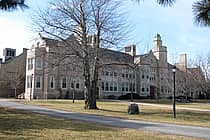
Penn State Wilkes Barre

-
Overview
- State University of New York at Plattsburgh
- Penn State Wilkes-Barre
- Location
-
State University of New York at Plattsburgh Plattsburgh, NY
-
Penn State Wilkes-Barre Dallas, PA
-
-
- Setting
-
State University of New York at Plattsburgh Distant Town
-
Penn State Wilkes-Barre Rural Fringe
-
-
- Total enrollment
-
State University of New York at Plattsburgh 4,540
-
Penn State Wilkes-Barre 315
-
-
- Type
-
State University of New York at Plattsburgh Public 4 Year
-
Penn State Wilkes-Barre Public 4 Year
-
-
- National Ranking
-
State University of New York at Plattsburgh #467
-
Penn State Wilkes-Barre
-
-
- Religious Affiliation
-
State University of New York at Plattsburgh -
-
Penn State Wilkes-Barre -
-
-
- Status
-
State University of New York at Plattsburgh Non-profit
-
Penn State Wilkes-Barre Non-profit
-
-
- Website
-
State University of New York at Plattsburgh plattsburgh.edu
-
Penn State Wilkes-Barre psu.edu
-
-
- Team Colors
-
State University of New York at Plattsburgh
-
Penn State Wilkes-Barre
-
-
- Admission Chances
-
State University of New York at Plattsburgh My Chances
-
Penn State Wilkes-Barre My Chances
-
-
-
Cost
- State University of New York at Plattsburgh
- Penn State Wilkes-Barre
- Tuition (In State)
-
State University of New York at Plattsburgh $9,035
-
Penn State Wilkes-Barre $14,280
-
-
- Tuition (Out of State)
-
State University of New York at Plattsburgh $18,945
-
Penn State Wilkes-Barre $24,006
-
-
- Room & Board
-
State University of New York at Plattsburgh $17,300
-
Penn State Wilkes-Barre $15,274
-
-
- Average Net Price
-
State University of New York at Plattsburgh $15,412
-
Penn State Wilkes-Barre $16,621
-
-
- Average Grant Aid
-
State University of New York at Plattsburgh $12,733
-
Penn State Wilkes-Barre $9,742
-
-
- % Receiving Grant Aid
-
State University of New York at Plattsburgh 81%
-
Penn State Wilkes-Barre 89%
-
-
-
Admissions
- State University of New York at Plattsburgh
- Penn State Wilkes-Barre
- Admission Chances
-
State University of New York at Plattsburgh My Chances
-
Penn State Wilkes-Barre My Chances
-
-
- Applied
-
State University of New York at Plattsburgh 8,830
-
Penn State Wilkes-Barre 631
-
-
- Admitted
-
State University of New York at Plattsburgh 6,924
-
Penn State Wilkes-Barre 612
-
-
- Acceptance Rate
-
State University of New York at Plattsburgh 78.4%
-
Penn State Wilkes-Barre 97%
-
-
- Enrolled
-
State University of New York at Plattsburgh 11.5%
-
Penn State Wilkes-Barre 15%
-
-
- Typical SAT score
-
State University of New York at Plattsburgh 1170
-
Penn State Wilkes-Barre 1210
-
-
- Typical ACT score
-
State University of New York at Plattsburgh 25
-
Penn State Wilkes-Barre
-
-
- Average High School GPA
-
State University of New York at Plattsburgh 3.11
-
Penn State Wilkes-Barre -
-
-
- Typical High School Grades
-
State University of New York at Plattsburgh B
-
Penn State Wilkes-Barre -
-
-
- Admissions Standards
-
State University of New York at Plattsburgh Average
-
Penn State Wilkes-Barre Difficult
-
-
- Applicant Competition
-
State University of New York at Plattsburgh
-
Penn State Wilkes-Barre
-
-
- ACT Range
-
State University of New York at Plattsburgh 22/28
-
Penn State Wilkes-Barre
-
-
- SAT Range
-
State University of New York at Plattsburgh 1080/1250
-
Penn State Wilkes-Barre 1090/1330
-
-
- Submit Test Scores
-
State University of New York at Plattsburgh Test optional
-
Penn State Wilkes-Barre Test optional
-
-
- Application Deadline
-
State University of New York at Plattsburgh
-
Penn State Wilkes-Barre
-
-
-
Academics
- State University of New York at Plattsburgh
- Penn State Wilkes-Barre
- Student to Faculty Ratio
-
State University of New York at Plattsburgh 15:1
-
Penn State Wilkes-Barre 10:1
-
-
- Popular Majors
-
State University of New York at Plattsburgh
- Business (26%)
- Education (9%)
- Communication (8%)
- Psychology (8%)
- Social Sciences (6%)
-
Penn State Wilkes-Barre
- Business (34%)
- Homeland Security, Law Enforcement, Firefighting (28%)
- Engineering Technology (19%)
- English and Literature (12%)
- Liberal Arts and Humanities (5%)
-
-
-
Outcomes
- State University of New York at Plattsburgh
- Penn State Wilkes-Barre
- Graduation Rate
-
State University of New York at Plattsburgh 59%
-
Penn State Wilkes-Barre 47%
-
-
- Median Earnings (After 10 years)
-
State University of New York at Plattsburgh $44,000
-
Penn State Wilkes-Barre $55,300
-
-
- Making Student Loan Payments
-
State University of New York at Plattsburgh 63%
-
Penn State Wilkes-Barre 69%
-
-
- Median Student Loan Debt
-
State University of New York at Plattsburgh $22,000
-
Penn State Wilkes-Barre $26,818
-
-
- Median Loan Payment
-
State University of New York at Plattsburgh $227
-
Penn State Wilkes-Barre $277
-
-
-
Diversity
- State University of New York at Plattsburgh
- Penn State Wilkes-Barre
- % Men
-
State University of New York at Plattsburgh 39%
-
Penn State Wilkes-Barre 66%
-
-
- % Women
-
State University of New York at Plattsburgh 61%
-
Penn State Wilkes-Barre 34%
-
-
- Racial Diversity
-
State University of New York at Plattsburgh Medium
-
Penn State Wilkes-Barre Very Low
-
-
- HBCU
-
State University of New York at Plattsburgh No
-
Penn State Wilkes-Barre No
-
-
- % White
-
State University of New York at Plattsburgh 68%
-
Penn State Wilkes-Barre 88%
-
-
- % Asian
-
State University of New York at Plattsburgh 3%
-
Penn State Wilkes-Barre 1%
-
-
- % Black
-
State University of New York at Plattsburgh 7%
-
Penn State Wilkes-Barre 3%
-
-
- % Hispanic
-
State University of New York at Plattsburgh 10%
-
Penn State Wilkes-Barre 5%
-
-
- % Native American
-
State University of New York at Plattsburgh 0%
-
Penn State Wilkes-Barre 0%
-
-
- % Pacific Islander
-
State University of New York at Plattsburgh 0%
-
Penn State Wilkes-Barre 0%
-
-
- % Two or More Races
-
State University of New York at Plattsburgh 2%
-
Penn State Wilkes-Barre 2%
-
-
- % International
-
State University of New York at Plattsburgh 6%
-
Penn State Wilkes-Barre 0%
-
-
- % Unknown Race
-
State University of New York at Plattsburgh 4%
-
Penn State Wilkes-Barre 1%
-
-
-
Students
- State University of New York at Plattsburgh
- Penn State Wilkes-Barre
- % In-State
-
State University of New York at Plattsburgh 92%
-
Penn State Wilkes-Barre 85%
-
-
- % Out-of-State
-
State University of New York at Plattsburgh 5%
-
Penn State Wilkes-Barre 13%
-
-
-
Campus
- State University of New York at Plattsburgh
- Penn State Wilkes-Barre
- Campus Housing
-
State University of New York at Plattsburgh Yes
-
Penn State Wilkes-Barre No
-
-
- Freshman Dorm Required
-
State University of New York at Plattsburgh No
-
Penn State Wilkes-Barre No
-
-
- Meal Plan
-
State University of New York at Plattsburgh Yes
-
Penn State Wilkes-Barre No
-
-
- Weekend/Evening Classes
-
State University of New York at Plattsburgh No
-
Penn State Wilkes-Barre No
-
-
- Daycare Facility
-
State University of New York at Plattsburgh Yes
-
Penn State Wilkes-Barre No
-
-
Comparable Facts
Compare State University of New York at Plattsburgh in Plattsburgh, NY with Penn State Wilkes Barre in Dallas, PA on tuition, admissions, graduation, earnings, and student body data using the table above.
State University of New York at Plattsburgh is larger than Penn State Wilkes-Barre based on total student enrollment (4,540 students vs. 315 students).
Location, institution type, and student-faculty ratio
- State University of New York at Plattsburgh is located in Plattsburgh, NY (Distant Town setting); Penn State Wilkes Barre is in Dallas, PA (Rural Fringe setting).
- State University of New York at Plattsburgh is a public, non-profit 4-year institution. Penn State Wilkes Barre is a public, non-profit 4-year institution.
- Student-to-faculty ratio: State University of New York at Plattsburgh 15:1; Penn State Wilkes Barre 10:1.
State University of New York at Plattsburgh vs. Penn State Wilkes-Barre Cost Comparison
Which college is more expensive, State University of New York at Plattsburgh or Penn State Wilkes-Barre? Published tuition is the sticker price; many students pay less after aid (see average net price below).
- The typical actual cost that students pay to attend (average net price) is less at State University of New York at Plattsburgh than Penn State Wilkes-Barre ($15,412 vs. $16,621).
- Living costs (room and board or off-campus housing budget) at Penn State Wilkes Barre are 11.7% lower than at State University of New York at Plattsburgh ($15,274 vs. $17,300).
- Penn State Wilkes Barre is 58.1% more expensive for in-state tuition than State University of New York at Plattsburgh (about $5,245 more per year; $14,280.00 vs. $9,035.00).
- Out-of-state tuition is 26.7% higher at Penn State Wilkes-Barre than at State University of New York at Plattsburgh (about $5,061 more per year; $24,006.00 vs. $18,945.00).
- A larger share of students receive grant aid at Penn State Wilkes Barre than at State University of New York at Plattsburgh (89% vs. 81%).
- The average total grant financial aid received by State University of New York at Plattsburgh students is 30.7% larger than aid received by Penn State Wilkes Barre students ($12,733 vs. $9,742).
State University of New York at Plattsburgh vs. Penn State Wilkes-Barre Admissions comparison
Which college is harder to get into, State University of New York at Plattsburgh or Penn State Wilkes-Barre? Typical SAT and ACT scores (midpoint estimates from the mid-50% ranges in the table above), enrolled-tester score ranges where reported, test score submission policy, deadlines, and acceptance rates summarize admission difficulty between Penn State Wilkes-Barre and State University of New York at Plattsburgh.
- The typical SAT score (midpoint estimate) at Penn State Wilkes Barre (1210) is 40 points higher than at State University of New York at Plattsburgh (1170).
- Reported middle 50% SAT composite range (25th-75th percentile) among enrolled freshmen who submitted scores: State University of New York at Plattsburgh 1080/1250; Penn State Wilkes Barre 1090/1330.
- Reported middle 50% ACT composite range (25th-75th percentile) among enrolled freshmen who submitted scores: State University of New York at Plattsburgh 22/28.
- Submitting SAT or ACT scores: State University of New York at Plattsburgh - Test optional; Penn State Wilkes-Barre - Test optional.
- Penn State Wilkes-Barre has a higher acceptance rate (97%) than State University of New York at Plattsburgh (78.4%).
- The share of admitted students who enrolled (yield) is 11.5% at State University of New York at Plattsburgh vs. 15% at Penn State Wilkes-Barre.
State University of New York at Plattsburgh vs. Penn State Wilkes-Barre Graduation Outcomes Comparison
How do outcomes compare for State University of New York at Plattsburgh and Penn State Wilkes-Barre? Where federal data is available for both schools, the bullets below compare graduation rate, earnings, and student loan debt using the same College Scorecard / IPEDS fields as the comparison table. If a metric is missing for one school, that school is noted separately.
- State University of New York at Plattsburgh's six-year graduation rate (59%) is higher than Penn State Wilkes Barre's (47%).
- Graduates from Penn State Wilkes Barre earn a median of about $11,300 more per year than State University of New York at Plattsburgh graduates about ten years after starting college ($55,300 vs. $44,000), per the same Scorecard earnings definition.
- Among federal student loan borrowers, State University of New York at Plattsburgh graduates have a $4,818 lower median loan debt than Penn State Wilkes-Barre graduates ($22,000 vs. $26,818).
- Among borrowers, State University of New York at Plattsburgh graduates have an estimated $50 lower median monthly federal student loan payment than Penn State Wilkes-Barre graduates ($227 vs. $277).
- More Penn State Wilkes-Barre graduates are actively paying back their federal student loan debt than former State University of New York at Plattsburgh students, three years after graduation. (69% vs. 63%)
Sources: U.S. Department of Education https://nces.ed.gov IPEDS and College Scorecard https://collegescorecard.ed.gov/. Values reflect the most recent year available in our dataset.